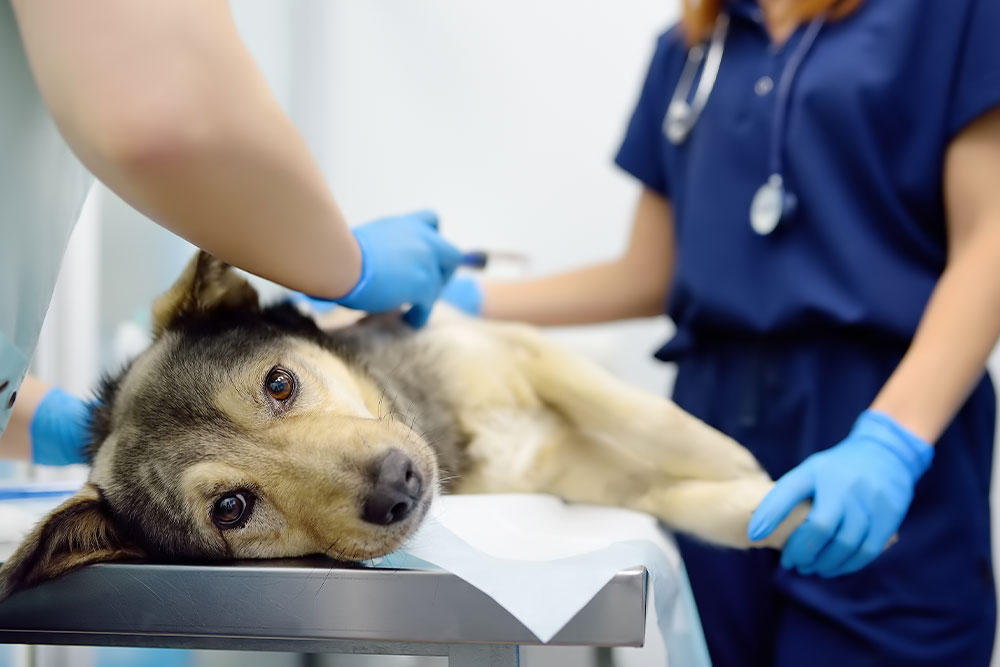
You notice the limp before your dog reaches the door. Your cat has been hiding all morning and now will not eat. A puppy swallows something strange, then acts fine, which somehow makes the decision harder, not easier. This is the part pet owners know too well. You are worried, your mind jumps to worst case scenarios, and you still have to decide whether to wait, call your regular vet, or head out right now for emergency veterinary care near Tiger Point.
That is where animal urgent care often helps most. It does not just treat injuries and sudden illness. It helps you sort out what is happening fast enough to protect your pet and calm the spiral that comes with uncertainty. In plain terms, urgent care gives you quicker answers, a clearer next step, and a safer middle ground when the problem feels too serious to ignore but you are not sure it is a full emergency.
Animal urgent care gives you faster clarity when symptoms are hard to read
Pets rarely make things obvious. They do not say where it hurts, and many animals hide pain until they cannot anymore. You might see vomiting once, a strange cough, a swollen paw, a sudden yelp, or a change in breathing that lasts only a minute. Then you are left trying to judge severity from a handful of clues.
This is one of the biggest reasons urgent care for pets helps owners make faster decisions. It closes the gap between guessing at home and waiting too long. A same day evaluation can tell you whether you are dealing with a minor issue, a condition that needs treatment soon, or a true emergency that should move straight to advanced care.
The speed matters because many problems look small at first. A bite wound can seal over while infection builds underneath. Repeated vomiting can turn into dehydration in a matter of hours. Limping after rough play might be a strain, or it might be a fracture. Cornell’s Emergency and Critical Care service explains that emergency teams are equipped to stabilize and manage life threatening conditions, which helps pet owners understand where the line is when symptoms escalate. You can review that level of care through Cornell’s emergency and critical care guidance.
When you get an informed exam early, you stop making decisions based on fear alone. You start making them based on what your pet is actually showing.
Urgent care helps you avoid the cost of waiting too long or rushing too soon
There is a financial side to this that many owners feel guilty admitting. Emergency hospitals can be expensive, and no one wants to overreact. At the same time, waiting can turn a manageable condition into a more serious one. That is the trap. You are trying to protect both your pet and your budget, and those goals can feel like they are pulling against each other.
Pet urgent care services often make that decision easier because they can assess conditions that need prompt attention without the full intensity of an ER visit when it is not required. If your dog has an ear infection that flared overnight, if your cat has a minor wound, if your pet is having stomach upset that is not improving, urgent care may provide treatment before the issue becomes more expensive and harder to manage.
There is another side to this. Urgent care can also tell you when not to lose time. Trouble breathing, collapse, seizures, major trauma, pale gums, uncontrolled bleeding, and possible poisoning need emergency treatment right away. The CDC’s advice on pet emergency preparedness reinforces how important it is to know where to go before a crisis starts. That kind of planning reduces delay when every minute feels heavy.
The real value is not just lower cost. It is avoiding the wrong kind of delay.
Animal urgent care creates a clearer path when emotions are clouding judgment
Stress changes how people think. You may freeze, scroll through conflicting advice, text three people at once, and still feel no closer to a decision. That is normal. When your pet is hurting, logic gets crowded out by fear, guilt, and the hope that things will improve if you just give it another hour.
Animal urgent care gives structure to that moment. You call, describe the symptoms, and get guidance on whether your pet should be seen now. Once you arrive, the team can check pain level, hydration, temperature, breathing, mobility, and other signs that owners cannot reliably measure at home. That process turns a blurry situation into a plan.
Think about a dog that ate part of a toy. At home, you are stuck watching for vomiting, lethargy, or straining. In urgent care, imaging and an exam can show whether the object is likely to pass, whether treatment should start now, or whether surgery may be needed. The same goes for a cat that has not used the litter box and seems restless. That might be stress, or it might be urinary blockage, which is an emergency. Fast triage changes outcomes.
Common pet health situations and the fastest next step
| Situation | Watch at Home | Urgent Care | Emergency Hospital |
| Single episode of vomiting, still active, drinking water | Often reasonable for a short period if symptoms stop | If vomiting repeats, appetite drops, or your pet seems painful | If there is collapse, bloating, blood, or severe weakness |
| Limping without obvious deformity | Brief rest may help if mild | If limping continues, swelling appears, or weight bearing worsens | If bone is exposed, there is major trauma, or your pet cannot stand |
| Small wound or bite | Only if very superficial and your pet is acting normal | Best for cleaning, pain relief, and infection prevention | If bleeding will not stop or the wound is deep |
| Trouble breathing, seizure, collapse, suspected toxin | No | No | Go immediately |
Three steps you can take right away when your pet seems unwell
1. Focus on the signs, not your fear. Look at breathing, appetite, energy, vomiting, diarrhea, swelling, pain, and mobility. Take a short video if the symptom comes and goes. That gives the veterinary team something concrete to assess.
2. Call before you drive. A quick phone call can save time and point you to the right level of care. Describe what happened, when it started, and whether symptoms are getting worse. If your regular vet is closed, contact an urgent care clinic or emergency hospital right away.
3. Keep a pet emergency plan ready. Save addresses and phone numbers for your regular vet, the nearest urgent care clinic, and the nearest emergency hospital. Keep medication lists handy. Put basic transport supplies in one place. When something happens, preparation shortens hesitation.
You do not need to solve every symptom on your own. You need a clear next step, and often that step is getting your pet seen before uncertainty turns into a bigger problem. Faster decisions usually come from better information, and that is exactly where urgent care fits. If your pet is showing sudden signs of illness or injury, reach out to a trusted veterinary urgent care team and get guidance now.