In the world of branding, signage, and personalized products, vinyl has emerged as a versatile and durable material that can be used for a wide range of applications. From custom decals and vehicle wraps to wall graphics and banners, a vinyl company can bring your creative ideas to life with high-quality custom designs. But what exactly goes into creating these designs? In this blog, we’ll explore the process a vinyl company follows to create custom designs, from initial concept to final production, and how these designs can benefit your business or personal projects.
Understanding the Client’s Vision
The first step in creating custom designs at a vinyl company is understanding the client’s vision. Whether you’re a business looking to enhance your branding with custom signage or an individual seeking personalized vinyl decals, the company needs to grasp your ideas, goals, and preferences.
Initial Consultation and Concept Development
During the initial consultation, the vinyl company will work closely with you to understand your specific needs and objectives. This stage is crucial for ensuring that the final product aligns with your expectations.
- Client Brief: The process typically begins with a client brief, where you provide details about the project, such as the type of design you need, the intended use, and any specific elements you want to include, such as logos, colors, or text.
- Design Goals: The vinyl company will discuss your design goals, whether it’s to promote your brand, decorate a space, or create a unique gift. This conversation helps the design team tailor their approach to meet your objectives.
- Budget and Timeline: Understanding your budget and timeline is also essential, as it allows the vinyl company to propose solutions that fit within your constraints while still delivering high-quality results.
Collaboration and Idea Sharing
Custom design is a collaborative process, and a good vinyl company will encourage you to share your ideas and inspirations. This could include reference images, color palettes, or even sketches that help convey your vision.
- Inspiration and References: If you have specific inspirations or examples of designs you like, sharing them with the vinyl company can help guide the creative process. These references provide a starting point for the design team to build upon.
- Feedback and Revisions: Throughout the design process, the vinyl company will seek your feedback and make revisions as needed. This ensures that the final design is exactly what you envisioned and meets your expectations.
The Design Process
Once the vinyl company has a clear understanding of your vision, the design process begins. This stage involves turning your ideas into a tangible design that can be printed on vinyl.
Graphic Design and Layout
The first step in the design process is creating a graphic design that translates your vision into a visual format. Professional designers at the vinyl company use specialized software to create a layout that meets your specifications.
- Digital Design Tools: Designers typically use software such as Adobe Illustrator or CorelDRAW to create vector-based designs. Vector graphics are ideal for vinyl printing because they can be scaled to any size without losing quality.
- Design Elements: The design may include various elements such as logos, text, images, and shapes. The designer will arrange these elements in a layout that is visually appealing and functional for the intended application.
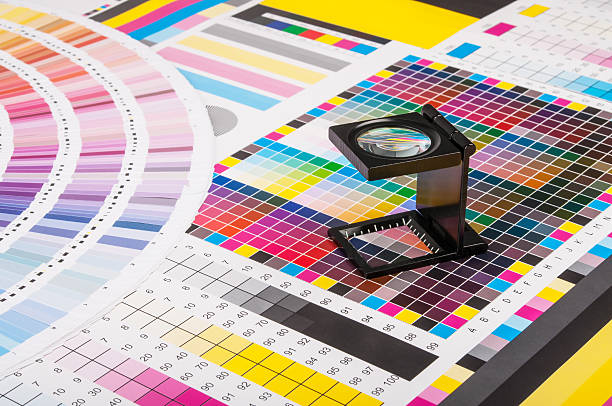
- Color Matching: Accurate color representation is crucial in custom designs. The vinyl company will use color matching tools to ensure that the colors in your design match your brand’s color palette or your specific preferences.
Proofing and Approval
Before the design is finalized, the vinyl company will provide you with a proof. A proof is a digital or printed representation of the design that allows you to review and approve the layout, colors, and overall look.
- Reviewing the Proof: It’s important to carefully review the proof to ensure that everything is correct. Check for any typos, color inconsistencies, or design elements that may need adjustment.
- Making Revisions: If there are any changes you’d like to make, now is the time to communicate them to the vinyl company. The design team will make the necessary revisions and provide you with an updated proof.
- Final Approval: Once you’re satisfied with the design, you’ll give your final approval, allowing the vinyl company to move forward with production.
Material Selection and Printing
After the design is finalized, the next step is selecting the appropriate vinyl material and printing the design. The choice of vinyl material depends on the intended use and the environment where the final product will be displayed.
Selecting the Right Vinyl Material
Vinyl comes in various types, each with its own properties and applications. The vinyl company will help you select the right material based on your project’s requirements.
- Adhesive Vinyl: This type of vinyl is commonly used for decals, stickers, and vehicle wraps. It has a strong adhesive backing that allows it to adhere to various surfaces, including glass, metal, and plastic.
- Heat Transfer Vinyl: Heat transfer vinyl is used for creating custom apparel, such as t-shirts and hats. The design is cut from the vinyl and then heat-pressed onto the fabric.
- Outdoor Vinyl: For projects that will be exposed to the elements, such as banners or outdoor signage, the vinyl company may recommend using weather-resistant vinyl. This material is designed to withstand UV rays, moisture, and temperature changes.
- Removable Vinyl: If you need a temporary solution, such as event signage or wall decals, removable vinyl is a great option. It can be easily applied and removed without leaving residue.
Printing the Design
Once the material is selected, the vinyl company will print the design using specialized printing equipment. The printing method used depends on the type of vinyl and the complexity of the design.
- Digital Printing: For full-color designs with intricate details, digital printing is often the preferred method. Digital printers can produce high-resolution images directly onto the vinyl, capturing every detail of the design.
- Screen Printing: Screen printing is another option, particularly for larger projects or designs with fewer colors. This method involves creating a stencil (or screen) for each color in the design and applying the ink to the vinyl through the screens.
- Die-Cutting: After printing, the vinyl may be die-cut to create the final shape of the design. This is common for decals, stickers, and other custom shapes.
Application and Installation
The final step in the custom design process is applying or installing the vinyl. Depending on the project, the vinyl company may offer professional installation services to ensure a flawless finish.
Preparing the Surface
Proper surface preparation is crucial for ensuring that the vinyl adheres correctly and lasts as long as possible. The vinyl company may provide instructions or assistance with this step.
- Cleaning the Surface: The surface where the vinyl will be applied must be clean and free of dust, grease, and other contaminants. This helps the adhesive bond properly and prevents bubbles or peeling.
- Smoothing and Positioning: If you’re applying the vinyl yourself, it’s important to position it carefully and smooth out any bubbles or wrinkles. The vinyl company may provide tools such as squeegees to assist with this process.
Professional Installation
For larger or more complex projects, such as vehicle wraps or wall murals, professional installation is recommended. The vinyl company’s installation team has the expertise and tools to ensure a perfect application.
- Vehicle Wraps: Installing a vehicle wrap requires precision and skill to ensure that the vinyl conforms to the curves and contours of the vehicle. The installation team will carefully apply the wrap, ensuring that it looks seamless and professional.
- Large Signage: For large banners, signs, or wall graphics, professional installation ensures that the vinyl is applied evenly and securely. This prevents issues such as peeling or misalignment that could detract from the final appearance.
Quality Control and Final Inspection
Before the project is complete, the vinyl company will conduct a final inspection to ensure that everything meets their quality standards. This includes checking the color accuracy, alignment, and overall finish of the vinyl.
Ensuring Durability and Longevity
Quality control is essential for ensuring that the vinyl design will last as long as intended. The vinyl company will use high-quality materials and printing techniques to create a product that is both durable and visually appealing.
- Weather Resistance: For outdoor projects, the vinyl company will ensure that the materials and inks used are weather-resistant and can withstand exposure to the elements.
- Color Fastness: The vinyl company will check that the colors in the design are vibrant and consistent, with no fading or discoloration.
Customer Satisfaction
Finally, the vinyl company will ensure that you are completely satisfied with the finished product. If any issues arise, they will work with you to resolve them and ensure that the final result meets your expectations.
Conclusion
Creating custom designs with a vinyl company is a collaborative and detailed process that involves understanding the client’s vision, developing a design, selecting the right materials, and executing the project with precision. Whether you’re looking to enhance your branding, create eye-catching signage, or personalize products, a vinyl company can help bring your ideas to life with high-quality, durable designs.
By working with a professional vinyl company, you can ensure that your custom designs are not only visually stunning but also built to last. From concept to installation, every step of the process is designed to deliver a final product that exceeds your expectations and serves your needs for years to come. Whether for business or personal projects, partnering with a vinyl company is a smart investment in quality and creativity.
Apart from that if you want to know about “Demystifying Demat: Your Ultimate Guide to Opening an Account and Buying Zomato Shares” then please visit our “Business” Category.