
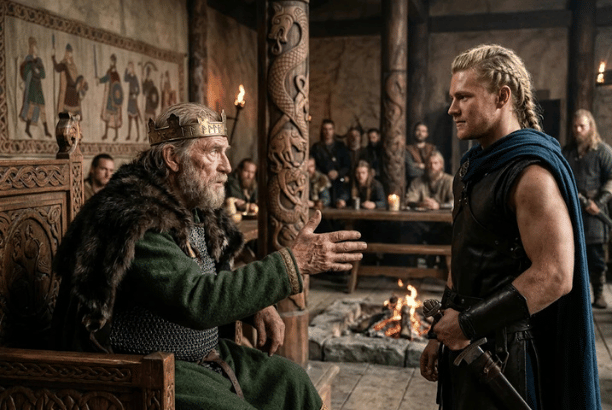
Hrothgar is the aging Danish king at the center of the first half of Beowulf. He builds Heorot and rules through generosity, loyalty, experience, and political authority. His relationship with Beowulf also helps turn a fearless warrior into a more thoughtful future king.
Quick Answer
Hrothgar is the king of the Danes who welcomes Beowulf after Grendel terrorizes Heorot. He rewards the young warrior after his victories and later warns him about pride. His role shows that strong leadership requires wisdom, humility, generosity, and awareness that power never lasts forever.
Quick Facts
| Detail | Answer |
|---|---|
| Character | King of the Danes |
| Literary work | Beowulf |
| Kingdom | Denmark |
| Great hall | Heorot |
| Wife | Wealhtheow |
| Main enemy troubling his kingdom | Grendel |
| Relationship with Beowulf | Host, benefactor, mentor, and father figure |
| Major leadership traits | Generosity, wisdom, humility, loyalty |
| Central lesson | Power must be balanced by restraint and wisdom |
Key Takeaways
- The Danish ruler builds Heorot as the social center of his kingdom.
- Grendel’s attacks expose the limits of military and political power.
- Beowulf comes from the Geats to help the threatened Danes.
- The older king rewards courage but also teaches the dangers of pride.
- Their relationship connects heroic strength with responsible leadership.
- His advice foreshadows challenges Beowulf later faces as a ruler.
Why Hrothgar Matters in Beowulf

The Danish king matters because he represents leadership after the warrior’s strongest years have passed. He once gained followers and prosperity through success, yet age changes what he can personally accomplish. The poem therefore contrasts physical strength with the experience required to govern well.
His situation also creates the conditions that bring Beowulf into the story’s main conflict. Grendel repeatedly attacks Heorot, while the king cannot end the violence through his own warriors. The crisis allows the young Geat to demonstrate abilities that ordinary fighters cannot match.
That contrast does not make the older ruler useless or cowardly. His responsibilities now involve preserving alliances, rewarding loyalty, and protecting the political order around his people. The Project Gutenberg edition of Beowulf describes him as a generous ruler who values loyalty and kindness.
Heorot Shows What His Kingship Represents
Heorot is more than a large building where warriors eat and drink. The hall represents community, political order, celebration, generosity, and the relationship between a ruler and his followers. Its existence makes the king’s success visible to everyone around him.
Inside the hall, warriors gather while treasure, stories, food, and fellowship reinforce their shared identity. That social structure depends on bonds between the king and those who serve him. Grendel attacks the place where those bonds become most visible.
This makes the monster’s violence politically important as well as physically terrifying. Every attack weakens the security and confidence that Heorot is supposed to represent. Saving the hall therefore means restoring the social order surrounding the Danish court.
The contrast also explains why the setting remains important after Grendel’s defeat. A repaired hall represents more than victory over one dangerous creature. It shows that community can return after years of fear and disruption.
Why Can’t the Danish King Defeat Grendel Himself?
Age is one important part of the answer. The ruler belongs to an older generation and no longer acts like the young warriors around him. His inability to defeat Grendel highlights the limits that eventually affect every heroic leader.
The problem also emphasizes how unusual Beowulf’s strength and confidence are. Danish fighters have already suffered under the monster’s attacks before the Geats arrive. The young hero enters a crisis that established authority has been unable to solve.
This difference creates a useful distinction between a great warrior and a successful king. Physical courage can solve immediate threats, while governing requires judgment across many years. Beowulf gradually asks whether one person can excel equally at both roles.
The older ruler helps answer that question through experience rather than combat. He knows victory can create dangerous confidence if a successful warrior stops recognizing limits. That lesson becomes important once Beowulf begins thinking beyond his latest battle.
The Relationship Between the Two Leaders
Beowulf does not arrive as a random adventurer seeking an unknown king. The ruler already knows about his family and remembers his father, Ecgtheow. That existing connection helps turn the hero’s arrival into renewed cooperation between two peoples.
After the monster is defeated, the king gives the warrior treasure and public recognition. Gift-giving carried political meaning within the society depicted by the poem. A generous ruler strengthened loyalty by rewarding people who protected the community.
Their bond soon becomes more personal than an ordinary exchange of service and treasure. The older man treats the victorious warrior with affection and offers advice about his future. This creates a mentor relationship alongside their political alliance.
Their connection also broadens the poem’s definition of heroism. Beowulf arrives with physical confidence, while his host contributes experience gained through years of rule. The story brings those qualities together instead of treating strength as the only valuable form of power.
The Warning About Pride
One of the king’s most important moments comes after the battles with Grendel and Grendel’s mother. He praises the young hero, but he does not treat victory as proof of permanent greatness. Instead, he warns that success can encourage pride and careless judgment.
His advice comes from a ruler who understands that fortune changes. Strength fades, political conditions shift, enemies appear, and even successful kings eventually lose their power. A leader who forgets these limits can damage both himself and the people depending on him.
That warning gives the character a larger purpose than advancing the monster story. He becomes a voice explaining the responsibilities that should accompany heroic fame. His experience prepares readers to evaluate Beowulf differently when the warrior later becomes a king.
The advice also helps connect the poem’s two major stages. The younger hero first earns glory through extraordinary combat. Later events test what happens when the same man carries responsibility for an entire people.
Is He a Good King?
The poem generally presents the Danish ruler as generous, respected, experienced, and concerned about his followers. He builds a great hall, rewards service, maintains alliances, and openly values Beowulf’s assistance. Those qualities fit the poem’s picture of responsible kingship.
His inability to defeat Grendel does not automatically make him a failed ruler. The monster represents a threat that normal warriors repeatedly cannot overcome. Accepting outside help can therefore show practical judgment rather than personal weakness.
His strongest leadership moment may come after the physical danger has ended. Instead of competing with the younger warrior, he recognizes Beowulf’s ability and tries to guide him. That willingness separates mature leadership from a simple desire to appear powerful.
The character therefore offers a useful contrast to rulers controlled by pride. He has experienced success, fear, loss, and dependence on another warrior’s help. Those experiences allow him to speak about power with greater perspective. Magzina’s Victoria Neuman character guide examines a very different fictional figure shaped by political power.
What Does the Character Symbolize?
The king often represents the transition from youthful heroism to experienced leadership. His age reminds readers that no warrior remains physically dominant forever. Leadership must eventually depend on judgment, relationships, and the ability to prepare others.
He also represents the social responsibilities attached to power. A king in the poem cannot exist only for personal glory. His position depends on protecting followers, rewarding loyalty, maintaining peace, and preserving the community.
Heorot strengthens that symbolic role because the hall reflects the health of the society around him. Its celebration represents successful rule, while its emptiness during Grendel’s attacks represents disorder. Restoring the hall therefore carries both practical and symbolic meaning.
His mentoring relationship also gives readers a model for leadership succession. Experienced rulers cannot preserve their strength indefinitely. They can still shape the next generation by passing along lessons that battle experience alone cannot teach.
How He Differs From Beowulf
The clearest difference is age and physical ability. Beowulf enters the Danish court as an ambitious warrior eager to prove his strength. The older king has already passed through that stage and understands its rewards and risks.
Their priorities also reflect different positions. The young hero can focus on defeating a specific enemy and earning honor. A king must consider families, alliances, followers, succession, reputation, and his people’s future stability.
Yet the poem does not make them complete opposites. Both value courage, loyalty, reputation, and generosity within their heroic culture. Their differences show how those values change when a warrior becomes responsible for governing others.
This comparison becomes especially useful later in the poem. Readers have already seen one aging ruler confront limits before watching Beowulf face age himself. The earlier relationship quietly prepares the audience for that later parallel.
Historical and Legendary Background
The character also appears beyond Beowulf in traditions connected with early Scandinavian legend. Sources preserve related versions of the ruler under names such as Hróarr or Hroar. These traditions connect him with the Scylding royal family and legendary Danish history.
That does not mean every event in the poem should be treated as documented history. Beowulf combines heroic legend, cultural memory, genealogy, and imaginative storytelling. Separating literary interpretation from historical certainty keeps those categories clear.
For most readers, his literary role remains the more important question. The poem uses an established royal figure to explore age, authority, generosity, responsibility, and succession. Those themes explain why the character remains important beyond the Grendel storyline.
Readers interested in other stories about rulers and power can explore Magzina’s Rhaenyra Targaryen feature. Magzina also explains how recognizable characters spread through culture in its Omni-Man meme guide.
Frequently Asked Questions
Who is Hrothgar in Beowulf?
He is the aging king of the Danes and the builder of the great hall Heorot. Grendel’s attacks leave his court in fear until Beowulf arrives from the land of the Geats. After the victories, the king rewards the hero and becomes an important mentor.
Why does Beowulf help the Danish king?
The hero comes after hearing about Grendel’s attack. His journey also reflects connections between the two families and their wider heroic society. Helping the Danes gives him a chance to repay goodwill and prove his abilities.
What does Heorot symbolize?
Heorot represents community, celebration, political stability, and the bond between a ruler and his warriors. Grendel’s attacks threaten everything the hall represents. Its restoration therefore symbolizes the return of security and social order.
What lesson does the king teach Beowulf?
He warns the victorious warrior about pride and the temporary nature of power. Strength, fame, and prosperity can disappear as circumstances change. A wise leader must therefore remain humble even after extraordinary success.
Is the king Beowulf’s father?
No, the two men are not father and son. Their relationship becomes father-like because the older ruler welcomes, rewards, advises, and cares for the younger warrior. The mentor relationship is emotional and political rather than biological.
The Lasting Importance of the Danish King
The character matters because Beowulf needs more than monsters and impressive battles. The poem also asks what happens after a warrior wins fame and becomes responsible for other people. The aging ruler gives readers an early answer through his experience and advice.
His greatest contribution, then, is not a victory in combat. He shows that leadership requires humility, memory, generosity, and an understanding that personal strength eventually fades. Those lessons help prepare both Beowulf and the reader for the poem’s later questions about kingship.
For modern readers, that makes his role easier to recognize and remember. He represents the stage after heroic success, when judgment matters more than physical dominance. Reading his scenes closely clarifies the entire arc of Beowulf.