When your pet needs medical care, your mind usually goes straight to the hard part. You picture stress, pain, strange smells, bright lights, and a frightened animal looking for you. That reaction is normal. Pets cannot tell you exactly what hurts, and that uncertainty can make even a routine visit feel heavy. We are dedicated to helping itchy pets find lasting allergy relief in Richmond, TX.
The good news is that modern animal hospitals do far more than diagnose and treat illness. They work to lower fear, control pain, and create a calmer experience from check in to recovery. 5 Ways Animal Hospitals Keep Pets Comfortable During Treatment comes down to pain control, low stress handling, careful monitoring, familiar routines, and recovery support. When those pieces are in place, treatment is safer and easier on your pet and on you.
Animal hospitals reduce pain before, during, and after treatment
Pain control is one of the clearest ways an animal hospital protects your pet’s comfort. A good team does not wait until a pet is clearly suffering. They plan ahead. That often means using pain medication before a procedure starts, adjusting medication during treatment, and continuing support afterward.
This matters because pain changes behavior fast. A dog with untreated pain may become restless, stop eating, or pull away from touch. A cat may go silent, hide, or seem “fine” when it is not fine at all. Pets often mask discomfort, which is why a strong pain management plan is part of good medicine, not an extra. Because pain is such a common hidden cause, it is the first thing checked when animal hospitals address behavioral health issues.
Veterinary teaching hospitals outline this clearly in their anesthesia and pain programs. Virginia Tech explains how anesthesia and pain management are tailored to the patient and procedure. Cornell’s anesthesia and pain medicine service also shows how careful pain control improves safety and recovery.
Low stress handling helps pets feel safer in the animal hospital
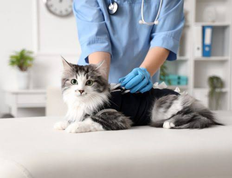
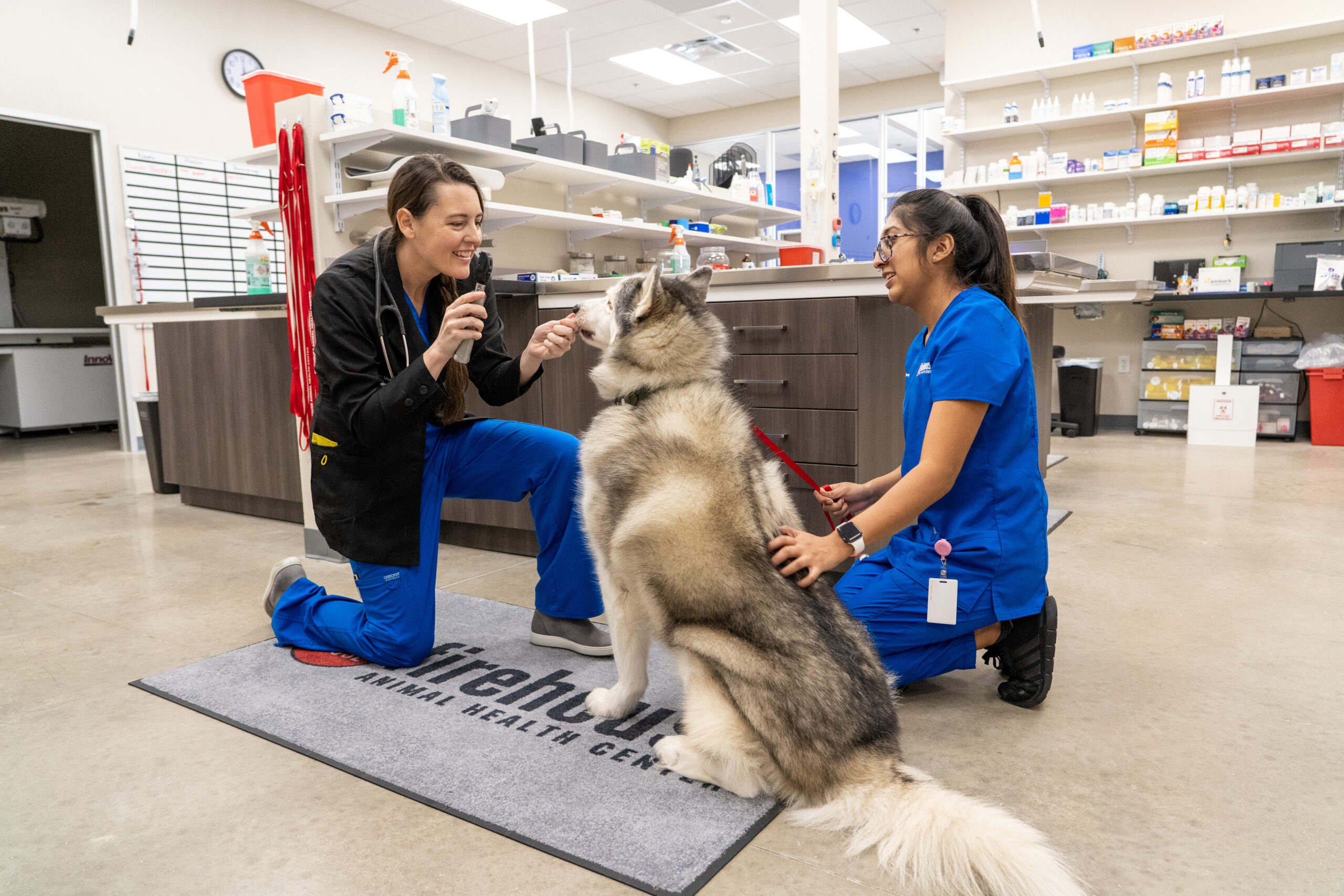
Comfort is not only about medication. It is also about how a pet is touched, moved, and spoken to. Low stress handling can change the whole visit. Staff may approach slowly, use soft voices, offer treats when allowed, place cats in quieter spaces, or use towels and non slip surfaces so pets do not feel trapped.
If your pet has ever shaken in the lobby or refused to come out of the carrier, you have already seen how quickly fear builds. Once fear spikes, even a simple exam can become harder. The pet tenses up, breathing changes, heart rate climbs, and each next step feels worse. Gentle handling lowers that cycle before it gains momentum.
This is one reason many veterinary hospitals ask about your pet’s behavior history. A dog that panics around strangers and a cat that freezes when handled need different support. The best care team pays attention to those details instead of forcing every animal through the same routine.
Monitoring and tailored sedation protect comfort during procedures
Some pets need more than reassurance to stay comfortable. Sedation or anesthesia may be the kindest option, especially for imaging, wound care, dental work, or painful procedures. People sometimes hear those words and think only about risk, but there is another side to the picture. Without proper sedation, a frightened pet may struggle, feel more pain, and build stronger fear around future care.
Good animal hospitals match the plan to the pet. Age, breed, medical history, current illness, and stress level all matter. A senior dog with heart concerns does not get treated like a young healthy terrier. A flat faced breed may need extra airway planning. A cat that becomes highly reactive may actually be safer with sedation than with repeated restraint.
Monitoring is part of comfort too. Staff track breathing, heart rate, blood pressure, oxygen, temperature, and recovery signs so changes are caught early. That kind of attention reduces complications and helps pets wake up more smoothly.
Familiar routines and thoughtful housing make recovery easier
Treatment does not end when the procedure is over. Recovery is often where comfort matters most. Pets may wake up groggy, sore, thirsty, or disoriented. A well run hospital uses warm bedding, clean kennels, quiet spaces, and regular checks to make that period less stressful.
Small details help more than most people realize. Dogs often settle better when walked on a steady schedule and given a clean, dry place to rest. Cats usually cope better with hiding options, reduced noise, and less direct traffic around their kennel. Some pets relax when a blanket or shirt from home carries a familiar smell. Others need nausea control or appetite support before they feel like themselves again. Elsewhere on the site: How Mobile Veterinarians Support Pets Living in Assisted Care Settings.
This is where pet comfort during treatment becomes visible. You may not see every medical step behind the scenes, but you can often tell when a hospital has thought carefully about recovery. The pet is cleaner, calmer, better monitored, and discharged with a plan that makes sense.
Clear communication helps you support your pet after treatment
Comfort continues at home. If discharge instructions are rushed or vague, pets can suffer for it. Missed pain doses, too much activity, poor incision care, or delayed follow up can turn a manageable recovery into a rough one.
Strong animal hospital teams explain what normal recovery looks like and what should worry you. They tell you when your pet can eat, how to give medication, what side effects to watch for, and when to call. That guidance lowers the chance of setbacks and gives you something every worried owner wants, a clearer sense of what to do next.
| Comfort Measure | What It Looks Like | Benefit for Your Pet |
| Pain management | Medication before, during, and after treatment | Less pain, less stress, smoother healing |
| Low stress handling | Gentle restraint, quieter approach, species specific care | Less fear and easier exams or procedures |
| Tailored sedation or anesthesia | Plan based on age, health, and procedure | Safer treatment and less distress |
| Close monitoring | Tracking vital signs and recovery status | Faster response to problems and better stability |
| Recovery support | Warm bedding, quiet housing, home care instructions | More comfortable healing after the visit |
Practical steps to help your pet get more comfortable care
Ask how the hospital manages pain. Do not assume every clinic handles discomfort the same way. Ask what medications are used, how pain is assessed, and what support continues after discharge. Clear answers usually signal a thoughtful team.
Share your pet’s stress triggers. Tell the staff if your dog fears nail trims, if your cat shuts down around strangers, or if past visits went badly. That information helps the team adjust handling, timing, and medication if needed.
Prepare your home before treatment day. Set up a quiet recovery space, pick up medications on time, and plan for a calm evening after the visit. A soft bed, easy access to water, and fewer stairs or jumps can make a real difference.
Comfort focused animal care supports better treatment
You are not overreacting by worrying about your pet’s comfort. Treatment is not only about fixing the medical problem. It is also about reducing pain, lowering fear, and helping your pet recover with less strain. That is what good animal care looks like.
If your pet needs an animal hospital, ask direct questions and look for a team that treats comfort as part of the care plan, not an afterthought. That approach can make a hard day feel more manageable for both of you.