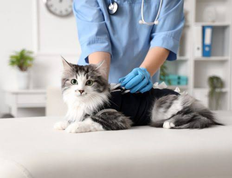

The growl came out of nowhere. Or the accidents started three weeks after the move. Or the dog who slept through storms last summer now claws at the bathroom door the moment the sky goes grey. You have probably tried the obvious answers already: longer walks, a firmer voice, a training video at midnight, a diffuser from the pet aisle. Nothing shifted, and now the house feels tense.
Usually this is fixable. Behavior is a leading reason pets get rehomed, and it is also an area where a structured veterinary approach changes outcomes. Clinics such as Pine Island Animal Clinic in St. James City work these cases the way they would work a limp: find out what the body is doing, then work out what the brain has learned on top of it.
Below is a practical look at how animal hospitals address behavioral health issues: what your vet is checking for, how the appointment runs, where medication helps and where it does nothing alone, what a referral involves, and what it costs.
The Short Version
- A sudden or worsening behavior change is treated as a possible medical problem first. Pain is the most common hidden cause.
- Expect a longer appointment, a detailed history, a physical exam and baseline lab work before anyone settles on a behavioral diagnosis.
- Treatment usually combines management at home, reward-based behavior modification and, where anxiety blocks learning, medication.
- Bite histories and cases that do not respond are referred to a board-certified veterinary behaviorist.
Behavior Problems Are Medical Until Proven Otherwise
The biggest mistake owners make is treating a behavior change as a discipline problem. Veterinarians assume the opposite. A pet acting out of character is showing you a symptom, and punishing a symptom treats nothing while making the animal more anxious. Sudden onset, fast escalation, and any change in an older animal all push a clinician toward the body first.
Pain Is The Impostor You See Most
Pain is quiet in animals. Owners report a pet is “slowing down with age” when what is happening is osteoarthritis, and chronic pain shows up behaviorally long before any visible limp. It looks like irritability when touched in one spot, growling on the sofa, a dog who no longer tolerates the toddler, or a cat who stops jumping and urinates beside the box rather than climbing into it. Dental pain, ear infections and neck problems do the same. Some veterinarians run a short trial of pain relief as a diagnostic step, because a behavior that softens on analgesia has told you something bloodwork cannot.
The Rest Of The Suspect List
Several conditions announce themselves as behavior first. Hyperthyroidism in older cats produces irritability, night vocalizing and restlessness. Anything raising thirst and urine volume, including kidney disease and diabetes, can present as house-soiling in a previously reliable animal. Urinary inflammation and feline idiopathic cystitis make the box painful, so cats avoid it. Fading vision or hearing turns an ordinary approach into an ambush, which is why some seniors start snapping. Partial seizures and intracranial disease produce the episodes owners describe as “he goes somewhere else for a minute.”
So a real workup starts with one question: medical, behavioral, or both? Behavior counseling often begins with that exact question, because a behavior plan built over an untreated medical condition keeps failing however good the training is.
What Actually Happens At A Behavior-Focused Visit
A behavior consultation is not a normal fifteen-minute slot and should not be booked as one. Most practices set aside forty-five to ninety minutes, because the history takes real time and rushing it produces a worse plan.
Before You Walk In
Keep a log for a week or two. Record the time, what happened in the thirty seconds beforehand, what your pet did, how long it lasted, and how they behaved afterwards. Note meals, visitors, weather and schedule changes. Patterns surface on paper that nobody notices live, and “it happens randomly” almost always turns out not to be random.
Film it, safely. Phone video is the most valuable thing you can bring. Thirty seconds of your dog at the moment the front door closes tells a veterinarian more than an hour of description. Do not stage anything that could get someone bitten.
Bring the details. Food, treats, supplements, medications, parasite products, where the animal sleeps, how many litter boxes and where, how many other animals live there, and every training method tried, including anything aversive such as a prong, choke or electronic collar. That last point is clinical, not judgmental. Aversive tools can turn a fear problem into an aggression problem.
The Exam And The Workup
Expect history first and hands-on second. The physical usually includes an orthopedic assessment, a neurologic screen, eyes, ears and mouth, and palpation of the spine and hips with the animal standing rather than pinned flat. Good clinics work on the floor, with food, and stop if the pet escalates, because a forced exam teaches the animal that the clinic is dangerous.
Baseline diagnostics mean a complete blood count, a chemistry panel and a urinalysis. Routine bloodwork earns its place here because thyroid, kidney and liver problems can all change behavior before they cause obvious physical signs. Cats over about seven get a thyroid level, and blood pressure is worth checking in seniors. Radiographs follow when the history points at joints, spine or hips. Clean results are not wasted money. They are what lets the team commit to a behavioral diagnosis with confidence.
The Behavior Problems Animal Hospitals See Most
Separation Distress
This is panic, not protest. Anxiety starts before you leave, during the shoes-and-keys routine, and the worst of it happens in the first twenty to thirty minutes after departure. Vocalizing, salivating, scratching at exit points, and soiling in an otherwise clean dog all point this way. The guilty look when you get home is appeasement, not spite. Treatment layers management, graduated absences in small boring increments, and often medication, because a panicking animal cannot learn.
Noise Phobia And Storm Fear
Noise phobia tends to worsen over time rather than fade, and storm fear generalizes from thunder to wind, rain on the roof and a darkening sky. This is where medication given before the noise starts earns its keep, and where waiting until the animal is frantic wastes the dose. Clinics also help you build a den the pet can reach unaided, plus structured sound work at volumes low enough that your dog stays relaxed.
Feline House-Soiling
Cats do not urinate outside the box out of spite, and treating it as defiance is how these cases end badly. Rule out urinary and metabolic disease first, then examine the setup: how many boxes for how many cats, whether each is big enough to turn around in, covered or open, where it sits, and how often it is scooped. Then the social layer. A cat who must walk past another cat to reach the only box will find somewhere else to go. For many cats, fixing the setup is the whole treatment, using the same low-stress principles animal hospitals use to keep pets comfortable during a visit.
Aggression Toward People Or Other Animals
Most aggression in companion animals is fear-based rather than dominance-based, so escalating your own response makes it worse. Never punish a growl. A growl is a warning system, and an animal who learns that warnings get punished stops warning and bites without preamble. Veterinary teams take a bite history, grade the injury level, build a safety plan, and usually start muzzle conditioning as a positive exercise before it is needed.
Cognitive Dysfunction In Senior Pets
Cognitive dysfunction is the closest animal equivalent to dementia, and it is badly underdiagnosed because owners file the signs under normal aging. Clinicians screen six domains, often remembered as DISHAA: disorientation, altered interactions, sleep-wake disruption, house-soiling, activity changes including pacing, and anxiety. A senior dog who wanders at three in the morning or gets stuck behind furniture is not simply old. That is a recognized syndrome with a management protocol.
Behavior Modification And Medication Do Different Jobs
These are not alternatives, and framing the choice as natural versus drugged leads to worse care. Behavior modification teaches a new emotional response. Medication lowers arousal enough that learning becomes physically possible. A dog in full panic has stress hormones running the show, and nothing gets encoded in that state.
What Behavior Modification Involves
Management comes first. Before training begins, the plan stops the pet rehearsing the problem: baby gates, window film, an indoor leash, separate feeding areas, an extra litter box, a quieter walking route. Every repetition of a fear response strengthens it, so ending the repetitions is the first therapeutic act rather than an admission of defeat.
Then desensitization and counter-conditioning. The trigger is presented at an intensity your pet notices but stays relaxed through, paired with something genuinely good, and raised only as the emotional response changes. Most home attempts fail because the owner moves too fast, and the session rehearses the fear instead of rewriting it.
Reinforcement replaces correction. Veterinary behavior practice is built on reward-based methods for a clinical reason, not a sentimental one. Aversive tools suppress the visible behavior while leaving the fear intact, which reliably produces animals that are quieter and more dangerous.
Where Medication Fits
Two patterns get used. Daily maintenance medication raises the floor for an animal whose baseline anxiety is high, and these drugs need weeks to work, commonly four to eight before a fair judgment is possible. Event-based medication is given ahead of a known trigger such as a storm, fireworks or a vet visit, and acts within hours.
Classes in general use include selective serotonin reuptake inhibitors and tricyclic antidepressants for maintenance, azapirones for some anxiety presentations, and situational agents including trazodone, gabapentin, short-acting benzodiazepines and an alpha-2 agonist licensed for canine noise aversion. A monoamine oxidase B inhibitor is used in cognitive dysfunction. Some products are licensed for behavioral use; others are prescribed off-label, which is routine. Expect bloodwork before starting, a recheck for response and side effects, and a clear description of what improvement should look like.
Home Strategies, Trainers, And Veterinary Behavior Care Compared
Owners cycle through several kinds of help before landing somewhere useful. Each option below does something real. The trouble starts when one is asked to do another’s job.
| Approach | Best For | Limits | What An Animal Hospital Adds |
|---|---|---|---|
| Home changes and routine tweaks | Mild stress, prevention, early litter box issues | Cannot detect pain, illness or an anxiety disorder | Screening, a diagnosis, a plan for your household |
| Group training classes | Cues, leash walking, manners, puppy socialization | Not designed for fear, panic or aggression | Separates a training gap from a medical cause |
| A private trainer or behavior consultant | Skill-building and coaching you through a protocol | Cannot diagnose disease or prescribe | Handles the medical half while the trainer coaches |
| Medication alone | Panic and anxiety that blocks any training | Teaches no coping skills by itself | Pairs the prescription with a plan and monitoring |
| Behavior treatment through your veterinary team | Persistent or mixed medical-behavioral cases | Takes time and consistency from you | Integrated care across body, brain and environment |
| Board-certified veterinary behaviorist | Bite histories, treatment-resistant cases | Costs more and may involve a waiting list | Your vet coordinates referral and follow-up |
Knowing whether you need a trainer or a behaviorist is worth settling early, because the wrong professional for the problem costs months. A trainer builds skills, a veterinarian treats the health and emotional side, and the best results come from having both in the same conversation.
When Your Vet Refers You To A Veterinary Behaviorist
A board-certified veterinary behaviorist completed a residency and board examination in behavioral medicine, which in North America means a Diplomate of the American College of Veterinary Behaviorists. There are relatively few, so referral is reserved for aggression with a bite history, cases that have not responded to a sound plan, and situations where rehoming is on the table.
What The Consultation Involves
These appointments run long, often two hours or more, and much of the work happens before you arrive: a detailed written history, video, and records from your regular vet. The consult covers a diagnosis, an honest prognosis, a written treatment plan, a safety plan where relevant, and medication recommendations sent back to your primary veterinarian. Follow-up is built in, because these plans get adjusted. Remote consultations through your own vet are widely available now.
What Behavior Care Tends To Cost
Prices vary by region, so treat these as orientation. A behavior-focused appointment is billed as an extended consultation, often in the low-to-mid hundreds of dollars, and baseline bloodwork with a urinalysis commonly adds a comparable amount. Daily medication for an average dog, where a generic exists, lands closer to a modest monthly subscription than a major expense. A behaviorist consultation generally runs several hundred dollars.
Set that against what the problem already costs: replaced doors, repeat carpet cleaning, boarding, a dog walker hired to cover the gap, an emergency visit after an escape, and the sleep you are not getting.
Signs That Need A Same-Day Call
Most behavior problems can wait for a properly booked appointment. Some cannot. Call your veterinarian the same day, or go to an emergency hospital, if you see any of these:
- A male cat straining in the litter box or passing little or no urine, which can mean a blocked bladder
- Sudden aggression in a pet that has never shown it, especially with signs of pain
- Circling, head pressing, a head tilt, stumbling, or episodes of staring and unresponsiveness
- Panic severe enough that the animal is injuring itself, breaking teeth or nails on crates or doors
- A bite that broke skin, both for the person’s treatment and so the safety plan starts immediately
- A senior pet that is suddenly confused and also not eating, drinking heavily, or vomiting
How Progress Is Tracked
A good behavior plan is measured, not judged by gut feel. Keep the same log you started before the first visit and note how often the behavior happens, how intense it is on a simple 0 to 5 scale, and how quickly your pet recovers afterward. Recovery time is often the first thing to improve, and it shows the plan is working well before the behavior itself disappears.
Expect a recheck two to six weeks after starting, sooner if medication was prescribed. Bring the log and fresh video. Plans are adjusted at these visits: exercises are made easier if your pet is struggling, doses are changed, and management is relaxed step by step as things improve. Setbacks are normal, especially after a change at home such as a move, a new baby or a new pet, and they are a reason to call the clinic rather than a sign the plan has failed.
What To Ask Your Veterinary Team
Questions change the appointment. These are worth asking out loud:
- Can we rule out pain specifically, including a pain-relief trial?
- What is the working diagnosis, and what would make you change it?
- What should improvement look like, and by when?
- If we use medication, what are the side effects and when do we recheck?
- What do I do meanwhile so my pet stops rehearsing the problem?
- Do you work with a trainer who uses reward-based methods?
- At what point would you refer us to a veterinary behaviorist?
- Should I change anything about the household setup this week?
If the plan comes back as “be firmer with him” and nothing else, ask for more. You are entitled to a diagnosis and a written protocol.
Frequently Asked Questions
Can a behavior problem really be caused by something medical?
Frequently, yes. Pain from arthritis, dental disease, ear infections or a back problem is the most common hidden driver, showing up as irritability, snapping when touched, or a cat who abandons the litter box. Thyroid disease, urinary inflammation, fading vision or hearing, and neurologic conditions can all present as behavior first. That is why veterinarians run an exam and baseline bloodwork before committing to a behavioral diagnosis.
How long does behavior medication take to work?
It depends on the type. Daily maintenance medications such as serotonin reuptake inhibitors build their effect over weeks, and most veterinarians will not judge the response for roughly four to eight weeks. Event-based medications given before a storm, fireworks or a car journey act within hours. Either way, medication works alongside behavior modification and rarely resolves the problem alone. Ask your vet which of the two you have been given.
Will my pet have to stay on medication forever?
Usually not. Medication creates the calm window in which behavior modification can actually be learned, and once the new responses are solid the dose is tapered gradually under veterinary supervision. Some pets with severe or long-standing anxiety do better remaining on treatment, and that is a legitimate outcome rather than a failure, judged on how the animal is functioning day to day.
My dog has already bitten someone. Is it too late to get help?
No, but the case becomes urgent and the plan has to lead with safety. Your veterinarian will take a bite history, assess the severity of the injury, identify the triggers, and put management in place immediately so there is no repeat. Muzzle conditioning taught as a positive exercise is often part of it, and these are the cases most likely to be referred to a veterinary behaviorist.
My cat is urinating outside the litter box. Is she doing it out of spite?
No. Cats do not soil the house to make a point. The first step is a veterinary visit to check for urinary inflammation, stones, kidney disease and diabetes, because a painful bladder drives cats off the box. If the workup is clean, attention moves to the setup: the number of boxes, their size, whether they are covered, where they sit, which litter is in them, and whether another animal is blocking access.
Should I see a trainer or my veterinarian first?
See your veterinarian first when the behavior is new, escalating, involves fear, aggression or house-soiling, or when your pet is older. Those cases need medical causes ruled out before training can work. A trainer is the right first call for skills and manners. For serious behavior problems you will use both, with the veterinary team handling diagnosis and the trainer coaching the protocol.
Where To Start This Week
You do not have to solve this by Friday. You need the one step that changes the information you are working with, and that step is an exam. Book a longer appointment, say on the phone that it is a behavior concern so the practice allocates time, and start the log today.
Meanwhile, stop the rehearsals where you can. Close the curtains if the trigger is out the window, add a litter box where the accidents happen, take the route with fewer dogs, and keep visitors and a fearful dog apart instead of pushing them to socialize. None of that is a cure and none of it is giving up. It gives the nervous system a rest while a plan gets built. Your pet is not being difficult, and you have not failed by needing help.