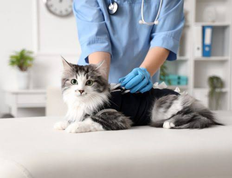

When a parent or grandparent moves into assisted living with a dog or cat, the pet usually comes with a quiet set of problems nobody planned for. Who takes the cat for its kidney recheck? Who drives the arthritic dog to the clinic when the resident no longer drives and the facility won’t transport animals? Families looking for a mobile veterinarian in Monroe, LA or anywhere else are usually answering exactly that question: how to keep a pet healthy when getting it to a clinic has become the hardest part of its care.
A mobile veterinarian brings the exam to the resident’s apartment or room. This guide covers what that care can and cannot include, how it fits inside a facility’s rules, what it tends to cost, and how families, staff and residents can split the work so the pet stays healthy and stays home.
Why clinic visits break down in assisted care
For most pet owners, a vet visit is an hour out of a Saturday. For a resident in assisted living it can involve four people and half a day. The resident may not be able to lift a carrier, manage a leash on a slick floor, or sit in a waiting room. Many facilities do not let staff transport animals, and family members often live hours away. Each hurdle is small, but stacked together they mean routine care gets postponed until a problem is obvious.
That delay matters more than usual, because pets in these settings are often seniors themselves. Older dogs and cats develop the conditions that reward early attention: kidney disease, thyroid disease, diabetes, dental disease and arthritis. A cat whose kidney values drift for six months between visits is a harder case than one whose numbers are tracked twice a year.
The pet’s health also feeds straight back into the resident’s. A dog that is in pain sleeps badly and paces, and so does its owner. A cat that has started urinating outside the box can put the pet’s place in the facility at risk, which is a frightening prospect for someone who has already given up a house. Keeping the animal well is part of keeping the resident settled.
What a mobile veterinarian can handle on site
Most mobile practices arrive with a kit or a small vehicle rather than a full surgical unit, so the work centers on examination, sampling, prevention and ongoing management. In a resident’s room, that typically covers:
- Wellness exams and vaccines, including the rabies and core vaccines facilities commonly ask for proof of.
- Blood and urine collection sent to an outside lab, which is how kidney, thyroid and diabetic pets are monitored. Routine bloodwork is often the single most useful thing a house call delivers for an older animal.
- Arthritis and pain management, including medication adjustments and practical changes to the room.
- Skin, ear and eye problems, which are common, uncomfortable and easy to treat once someone looks.
- Nail trims and basic grooming checks, which matter more than they sound when long nails make an old dog slip on hard floors.
- Parasite prevention for fleas, ticks and heartworm, which also protects other residents.
- Medication reviews, simplifying doses or switching formats so the resident or staff can actually give them.
- Quality-of-life assessments and in-home euthanasia, when that time comes.
There is a diagnostic benefit too. A veterinarian standing in the room can see what a clinic exam misses: the litter box at the end of a long hallway, the water bowl the resident forgets to refill, the rug that ends where the dog’s hind legs start to splay. Older pets are often stiff and wary on a clinic table and move more naturally on their own floor, which gives a truer picture of how they are getting around.
What still needs a clinic or hospital
House calls are built for planned, non-emergency care. Anything needing general anesthesia, X-rays, ultrasound, surgery, dental cleaning under anesthesia, IV fluids or overnight monitoring belongs in a hospital. So do emergencies: labored breathing, collapse, uncontrolled bleeding, repeated vomiting, a swollen belly, seizures, or a pet that cannot stand.
The point is to decide in advance where those cases go, not in the moment. Agree with family which emergency hospital the pet will be taken to, who is allowed to authorize treatment, and who physically gets the animal there. Knowing how urgent care speeds up those decisions helps, and a good mobile vet will name the clinics it refers to and send records ahead.
Working within facility rules and infection control
Facilities that allow resident pets usually do so on conditions. The most common are current rabies vaccination, a resident who can show they can care for the animal (or a named family member who will), size or breed limits, flea and tick prevention, and rules about where pets may go in shared areas. Some require a yearly health certificate from a veterinarian. A mobile vet who sees the pet in the building can produce that paperwork without a trip out.
Infection control is the facility’s real worry, and it is a fair one. Many residents are older or immunocompromised, and some animal-related infections pass to people. The CDC’s guidance on animals in healthcare facilities sets out the basics: animals should be healthy and up to date on vaccines, hands should be washed after contact, and animals should be kept away from wounds, medical equipment and food preparation areas. A veterinarian who works in these settings regularly will expect to follow those rules and can help a family meet them.
Practically, the visit runs best when it is booked with the front desk in advance, kept inside the resident’s room, and timed outside meals and medication rounds. During outbreaks of flu or other respiratory illness, facilities may restrict visitors at short notice, so it is worth asking how a booked house call would be handled if that happens.
Who does what: residents, families and staff
Most problems with pets in assisted living are not medical. They come from nobody knowing who is responsible. Settling these points once avoids a crisis later:
- Owner of record. Who signs consent forms and approves treatment if the resident cannot? If a family member holds power of attorney, the veterinarian should have that person’s contact details on file.
- Payment. Agree whether the resident or a relative pays, and put a card on file so a visit is never delayed over billing.
- Daily care. Feeding, walks, litter and medication. If the resident is managing alone now, decide what happens when that slips.
- Staff involvement. Many facilities do not let staff give pet medications. If yours does, get it in writing and give staff a short, plain instruction sheet.
- Backup plan. Who takes the pet if the resident is hospitalized? An emergency card on the fridge with that name and the vet’s number is worth more than a long care plan.
Common health issues in senior pets of senior owners
Weight gain. Small rooms, short walks and a resident who shares snacks are a reliable recipe for an overweight dog, and extra weight makes arthritis worse. The fix is usually measured meals and a jar of low-calorie treats the resident can still give.
Missed or doubled medication. If the resident has memory problems of their own, a pet’s pills can be forgotten or given twice. Pill organizers, once-a-day formulations and a simple tick sheet reduce the risk. Long-acting injections can remove the problem entirely for some conditions.
Dental disease. Bad breath and dropped food are easy to miss when the owner is not looking in the pet’s mouth. The vet can spot it at a house call, but treatment under anesthesia still means a clinic visit, which is worth planning for.
Behavior changes. Older cats and dogs can develop cognitive decline, with night waking, vocalizing and house-soiling. In a shared building these behaviors draw complaints, so it is worth knowing that behavior problems often have a medical cause worth checking before anyone assumes the pet has to go.
Clinic visits and house calls compared
| Care factor | Clinic visit | Mobile veterinarian visit |
|---|---|---|
| Transportation | Carrier, car ride and an escort | None for the pet or the resident |
| Stress on the pet | Often higher: travel, noise, other animals | Usually lower in familiar surroundings |
| Resident involvement | Limited if they cannot leave the building | Resident can usually be present |
| Facility coordination | Transport planning and time away | Room access booked with the front desk |
| View of the living space | None | Direct view of feeding, litter and flooring |
| Typical cost | Exam fee plus services | Exam fee plus services plus a call-out fee |
| Best suited to | Emergencies, imaging, surgery, anesthesia | Wellness care, chronic disease, follow-ups, end-of-life care |
What house calls usually cost
Mobile practices generally charge a call-out or trip fee on top of the exam and any services. The trip fee varies widely with region and distance, and is often lower per pet when several animals are seen at one address. That makes it worth asking whether the facility already has a mobile vet who visits other residents, since sharing a visit can bring the fee down.
Weigh the total against the real cost of the alternative: a family member’s time off work, a pet taxi, and the stress on the resident. For a pet with a chronic condition that needs checks every few months, a standing house-call schedule is often cheaper in practice than it looks on the invoice. Ask for a written estimate before lab work, and ask whether the practice offers wellness plans that spread routine costs across the year. Families on a tight budget can also look for community outreach programs run by veterinary clinics, which often include low-cost vaccine and senior wellness days.
Choosing a mobile veterinarian for an assisted-care pet
Not every mobile practice is set up for this kind of client. Before booking, ask:
- Have you worked in assisted living or senior communities before, and do you know their access procedures?
- Which services do you perform on site, and which do you refer out?
- Which emergency hospital do you work with, and will you send records to it?
- Can you send visit summaries to a family member as well as the resident?
- How far ahead do appointments book, and how do you handle sudden problems between visits?
- Do you offer in-home euthanasia and aftercare when the time comes?
Watch how the veterinarian handles the visit itself. The right one takes time with the resident, explains things in plain terms, and adjusts handling for an older animal. The same gentle approach hospitals use to keep pets comfortable during treatment carries over well to a small apartment.
A simple pet care summary to prepare
A one-page summary makes the first visit faster and keeps everyone working from the same facts. Include the pet’s age, weight and diet; every current medication with dose and timing; vaccination dates; known conditions; recent changes in appetite, thirst, toileting, sleep or mobility; the resident’s daily routine; any limits on how the resident can help with handling; and contact details for the family member who approves treatment. Keep a copy in the room and send one to the vet before the appointment.
Frequently Asked Questions
Can a mobile vet see a pet inside an assisted living room?
Usually yes, if the facility allows resident pets and the visit is arranged with staff. Most communities ask for the visit to be booked in advance and kept within the resident’s own room.
Do facilities require vaccination records for resident pets?
Most do, with rabies the most common requirement. Many also ask for parasite prevention and a yearly health check. A mobile vet can update vaccines and provide the paperwork during the same visit.
Who can authorize treatment if the resident cannot?
Whoever the resident and family agree on in advance, ideally named in writing with the veterinary practice. Without that, decisions can stall at exactly the wrong moment.
Is a house call more expensive than a clinic visit?
The invoice is usually higher because of the trip fee. The total cost, once transport and family time are counted, is often similar or lower, especially when several pets at one facility share a visit.
What happens if the resident can no longer care for the pet?
Talk about it early, before it becomes urgent. Options include extra help from family or a pet-care service, moving the pet to a relative with regular visits, or rehoming. A veterinarian who knows the pet can help the family judge which is kindest.
Keeping the pet and the person together
For someone in assisted care, a dog or cat is often the last piece of home they still have. Mobile veterinary care makes that bond easier to protect. Routine problems are caught early, the facility’s rules are met without fuss, and nobody has to choose between the pet’s health and the resident’s comfort. Settle the roles, keep a care summary current, and know in advance where emergencies go. With that in place, most pets can stay where they belong.