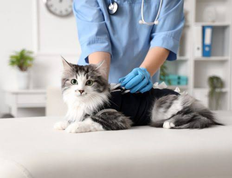

You know your pet’s habits better than anyone. You notice when breakfast sits untouched, when the usual burst of energy fades, or when something just feels off and you cannot quite explain why. Pets cannot tell you where it hurts, and illness often stays quiet until it is harder to treat, which is why bringing those observations to a veterinarian in Bartlett early can change what happens next.
Bloodwork is how a veterinary team gets underneath the surface. A sample the size of a teaspoon reports on the kidneys, liver, pancreas, bone marrow, immune system, hydration and blood sugar at once. Done once, it tells you about today. Done yearly, it builds a record that makes a small change visible long before your pet looks sick.
Here is what is on a panel, what each value means, how often pets need testing by age and breed, and how to read a result that comes back flagged. If you have ever approved a blood draw without knowing what you were paying for, this fills the gaps.
What a routine blood panel actually measures
Wellness testing is two separate tests run together and printed on one page. They answer different questions, and knowing which is which makes the rest easier to follow.
The complete blood count
The CBC counts and describes the cells floating in blood. Cornell’s overview of veterinary hematology testing gives a sense of how much a trained eye pulls out of these numbers.
- Red cells. Reported as packed cell volume (PCV) or hematocrit, with hemoglobin and a cell count. A low PCV means anemia, and the reticulocyte count says whether the bone marrow is responding to it. A high PCV usually means dehydration rather than extra blood. Small, pale cells point toward iron loss, often from slow bleeding.
- White cells. The total matters less than the differential, which splits it into neutrophils, lymphocytes, monocytes, eosinophils and basophils. High neutrophils suggest inflammation or infection, high eosinophils raise parasites or allergy, and low lymphocytes are a common stress pattern in cats. An odd population of cells on the smear sends a slide to a pathologist.
- Platelets. These control clotting, and a genuinely low count matters enormously before surgery. Clumping in the tube produces a false low often enough that a smear review comes first.
The chemistry panel
Where the CBC counts cells, the chemistry panel measures what is dissolved around them. These are the values most likely to change a treatment plan.
| Value | What it reflects | What a change can point toward |
| ALT | Liver cell damage | Rises when liver cells are injured by disease, a toxin or a medication |
| ALP | Bile flow, bone activity, steroid effect | Bile duct obstruction, Cushing’s disease, steroid use, or normal growth in a puppy |
| BUN | Kidney filtration and protein handling | Kidney disease, dehydration, a high-protein meal, or intestinal bleeding |
| Creatinine | Kidney filtration | More specific than BUN, but only moves once much function is lost |
| SDMA | Kidney filtration, earlier signal | Rises sooner than creatinine and is less affected by muscle mass |
| Glucose | Blood sugar regulation | High in diabetes and in stressed cats; low with sepsis or some tumours |
| Albumin | Liver production, protein loss | Low with liver failure, kidney protein loss, intestinal disease or severe inflammation |
| Sodium, potassium, chloride | Hydration and electrolyte balance | Vomiting, kidney disease, Addison’s disease; potassium extremes affect the heart directly |
| Calcium and phosphorus | Mineral balance | High calcium is a recognised flag for certain cancers; phosphorus tracks kidney disease |
| Total protein and globulin | Immune activity, hydration | High globulin with chronic infection or inflammation; low with protein loss |
Urinalysis, thyroid and the common add-ons
A panel without a urinalysis is a partial picture. Urine specific gravity shows whether the kidneys are still concentrating, and that often shifts before creatinine does. A normal BUN with dilute urine is a different conversation from a normal BUN with concentrated urine.
Thyroid testing runs in opposite directions in the two species. Older cats are screened for hyperthyroidism, where T4 climbs and the cat loses weight while eating well. Dogs are screened for hypothyroidism, where T4 falls and the dog gains weight, slows and develops coat problems. A total T4 is the starting point in both, and ambiguous results lead to free T4 or a TSH before medication starts. Dogs also get an annual heartworm antigen test, often on a combination snap that screens for Lyme disease, ehrlichiosis and anaplasmosis from the same drop. Outdoor and newly adopted cats are tested for feline leukemia and feline immunodeficiency virus.
Five benefits of routine bloodwork at animal hospitals
1. It finds illness while it is still quiet
Chronic kidney disease is the clearest example. By the time a cat is obviously drinking more, urinating more and losing weight, much of its kidney function is gone and will not come back. Catching it when the only evidence is a creeping creatinine, a rising SDMA and urine that no longer concentrates turns crisis management into slowing something down with diet, fluids and monitoring. Hyperthyroidism, early diabetes, drug-related liver changes and Cushing’s disease follow the same shape: cheap to find, expensive to ignore.
2. It builds a baseline you can compare against
Reference intervals are built to cover most healthy animals of a species, not to describe yours. Your pet’s own history is the more sensitive instrument. A lab’s creatinine interval for cats might run from roughly 0.5 to 1.6 mg/dL. A cat that sat at 0.9 for three years and now reads 1.5 still prints as normal, but that is a large move for one individual, and with the history it prompts a urinalysis, an SDMA and a recheck. A first-ever 1.5 looks unremarkable and nobody follows up. The first panel is rarely the valuable one; the second and third unlock it.
3. It makes anesthesia and long-term medication safer
A pre-anesthetic panel settles questions the anesthetist needs answered before choosing drugs. Reduced kidney function or a low albumin changes drug selection and dosing, since many anesthetic agents are protein-bound or cleared by the liver and kidneys. Dehydration or a potassium abnormality means fluids before induction rather than during it. Anemia changes how much surgical blood loss is acceptable, and a low platelet count can move a set of extractions to next week. The same logic covers pets on NSAIDs, anti-seizure drugs, steroids, diuretics or chemotherapy: periodic panels catch organ stress while it is still reversible.
4. It usually costs less than the crisis it prevents
Diabetes shows the gap starkly. A cat whose glucose is flagged at a wellness visit, then confirmed with a fructosamine to rule out stress, is usually managed with diet change, weight loss, insulin and home monitoring. A cat that arrives in diabetic ketoacidosis needs days of hospitalisation with intravenous fluids, an insulin infusion and repeated bloodwork. One honest caveat: screening sometimes turns up a borderline value that leads to a recheck which turns out to be nothing. That is a real cost in money and worry, and it is the trade-off for looking early.
5. It changes what senior care can do
What you notice first in an older pet is easy to write off as ordinary aging. More water in the bowl. Less interest in stairs. Weight loss that seemed gradual until one day it did not. The American Animal Hospital Association’s senior care guidelines set what a senior visit should include: a CBC, chemistry panel and urinalysis every six to twelve months, with thyroid testing and blood pressure at least annually and more often in older cats. Twice-yearly sounds aggressive until you convert it to your pet’s timescale: a year is a large fraction of a senior dog’s remaining life. For older pets whose owners live in assisted care, a mobile veterinarian can collect these samples on site.
How often your pet needs bloodwork
Frequency is a conversation with your veterinarian rather than a fixed rule, but the shape is consistent across practices.
| Life stage | Typical testing | Why this cadence |
| Puppy or kitten | Baseline panel, often alongside the first anesthetic procedure such as a spay or neuter | Screens for congenital problems and creates the first reference point |
| Healthy adult | CBC, chemistry and urinalysis once a year, plus heartworm testing for dogs | Builds the trend line while nothing is wrong, which is when it is cheapest to build |
| Senior dog or cat | CBC, chemistry and urinalysis every six to twelve months, plus T4 and blood pressure | Age-related disease develops faster than yearly testing can track |
| Pet on long-term medication | Panels at the interval your veterinarian sets for that drug | Monitors organ stress so the dose can change before damage does |
| Before anesthesia or surgery | Pre-anesthetic panel, shortly before the procedure | Informs drug choice, fluid support and whether to proceed at all |
Breed matters more than most owners expect
Some breeds sit outside the standard reference intervals while being entirely healthy. Greyhounds and other sighthounds run a higher PCV with lower white cell and platelet counts than the printout expects. Akitas and Shiba Inus often have small red cells and high potassium inside them, which skews a result if the sample sits too long. Cavalier King Charles Spaniels carry an inherited large-platelet trait that an analyser reads as a low count, and it is harmless.
On the risk side, Miniature Schnauzers are prone to high blood fats and pancreatitis, Scottish Terriers often show a raised ALP from a benign liver change, Dobermans are screened for von Willebrand clotting disease, and Persian cats are watched for polycystic kidney disease. Tell your veterinarian the breed and any family history; it changes which values get a second look.
Where you live and how your pet spends its days
A dog that hikes wooded trails in a tick-heavy region needs tick-borne screening that an apartment dog in a dry climate may not. Heartworm testing is annual across most of the United States and is required before restarting preventive after a lapse, because dosing an infected dog carries its own risk. An indoor-only cat has a different retrovirus risk than one that patrols the neighbourhood. These are the local risk profile applied to your animal, not add-ons a practice invents.
Preparing for the visit and what the draw involves
Fasting and preparation
Most clinics ask you to withhold food beforehand, commonly overnight, because a recent meal leaves the sample lipemic, meaning visibly fatty, and that interferes with several chemistry values. Water is normally still allowed. Confirm the window with your practice, and say so if your pet is diabetic or takes medication that must be given with food, because those cases are handled differently. If a urinalysis is planned, ask whether to bring a sample; a fresh morning collection at home is easier than obtaining one from a nervous animal at the clinic.
The draw itself
It is less dramatic than most owners picture. A technician clips a small patch of fur over a vein on the neck or a front leg, cleans the skin and collects a sample measured in millilitres, a volume a healthy pet replaces without difficulty. The stick takes seconds. Clinics increasingly plan around anxiety rather than powering through it, offering a pre-visit calming plan for patients who find the table frightening. Mild bruising is the usual after-effect.
In-house analyser versus reference laboratory
Many animal hospitals run their own analysers and can talk through results before you leave, which is what makes pre-anesthetic testing practical on the day. Samples sent out take a day or two but allow broader panels and review of cell shape by a pathologist. Reference intervals differ slightly between labs, so trends read best when testing stays in one place.
Reading the results without panicking
One flagged value is not a diagnosis
A printout with a few arrows on it is normal. Reference intervals are built so most healthy animals fall inside them, which means some perfectly healthy pets sit just outside. Stress alone raises a cat’s glucose and drops its lymphocytes, and a brisk walk, mild dehydration or a recent meal each nudge a value. What your veterinarian reads is the pattern: which values moved together, which way they are travelling, and whether the exam and the urinalysis agree.
How results actually change a plan
An abnormal result does one of four things, and it helps to know which. It can be set aside as an artefact of stress, fasting or handling. It can trigger a recheck in a few weeks. It can trigger a second test that answers the question directly: a fructosamine after a high glucose, a bile acid test after raised liver enzymes, imaging after an unexplained high calcium. Or it can change treatment today, as when a pre-anesthetic panel postpones a procedure.
Questions worth asking
- Is this value new, or has it been drifting across previous panels?
- Does the urinalysis support what the blood is suggesting?
- Could this be an artefact of stress, fasting or handling?
- What should this number do by the next recheck if the problem is real, and what if it is not?
- Does this change anything we are doing today, or are we watching it?
Ask for a copy either way. Your own file means the trend travels with your pet if you move, switch practices, or end up at an emergency clinic at two in the morning where nobody has seen your dog before.
What routine bloodwork costs
Prices vary widely by region, practice type and whether the sample runs in-house or goes out. As rough orientation, a basic CBC and chemistry panel commonly lands in the low hundreds of dollars, a senior workup adding urinalysis, T4 and blood pressure sits higher, and a heartworm and tick-borne snap test is a modest add-on. Emergency care is a different category: a multi-day hospitalisation with fluids, repeat testing and intensive nursing runs many times the cost of the panel that might have flagged the problem first. Ask your animal hospital for both numbers, and whether a wellness plan bundles testing below à la carte pricing. If cost is the barrier, many clinics run community outreach programs with discounted vaccine and wellness days.
| Approach | What you gain | Common risk |
| Routine bloodwork at wellness visits | Early detection, baseline values, safer treatment planning | May uncover borderline findings that need follow-up testing |
| Bloodwork only when a pet seems sick | Testing is focused on current symptoms | Disease is often more advanced by the time it is found |
| Pre-anesthetic testing only | A view of organ function before a procedure | No trend line, so a single result has little context |
| No routine lab work | No immediate testing cost | Higher chance of missed early disease and emergency care later |
Simple steps you can take before your next animal hospital visit
Track small changes at home. Write down shifts in appetite, thirst, weight, energy, bathroom habits and behaviour. Water intake is worth measuring rather than estimating: filling the bowl from a marked jug turns “he seems thirstier” into a number.
Ask which panel fits your pet’s age, breed and history. A young dog needs different screening than a senior cat or a pet on daily medication. Ask whether a urinalysis, T4 or blood pressure check belongs in the same visit, since one trip saves a second round of stress.
Confirm the fasting instructions. Get the exact window from the practice, and flag any medication your pet takes with food so they can tell you what to do about it.
Keep the results. Ask for a PDF every time and save it somewhere you can find it. You are building the file that makes the next panel meaningful.
Frequently Asked Questions
How often should a healthy dog or cat have bloodwork?
Once a year at the wellness exam is the standard for a healthy adult, and it is worth starting in young adulthood rather than waiting for grey hair, because a panel gets its value from comparison with the last one. For senior pets, AAHA senior care guidance calls for a CBC, chemistry panel and urinalysis every six to twelve months, with thyroid testing and blood pressure at least annually. Pets on long-term medication follow whatever interval that drug requires.
Does my pet need to fast before bloodwork?
Usually yes, for a window your clinic will specify, commonly overnight. A recent meal leaves fat in the sample that interferes with several chemistry values and makes the whole panel harder to read. Water is normally still allowed. Confirm the instruction with your own practice rather than assuming, and say so if your pet is diabetic or takes medication with food, because those cases are handled differently.
Is a blood draw painful or risky for pets?
It is a brief needle stick, comparable to a vaccination, and the volume collected is small enough that a healthy dog or cat replaces it without difficulty. Mild bruising at the site is the most common after-effect. For many patients anxiety is a bigger issue than pain, and clinics can plan around that with gentler handling, a quieter room or a calming plan given before the visit. Tell the team in advance if your pet finds the table frightening.
What does it mean if one value is out of range?
Often very little on its own. Reference intervals cover most healthy animals, so some perfectly healthy pets sit just outside them. Stress raises a cat’s glucose, dehydration lifts kidney values, and some breeds run outside the standard range while being entirely well. Your veterinarian reads the pattern across values, the exam, the urinalysis and the direction of travel rather than one flagged number.
Can bloodwork detect cancer in pets?
Sometimes it gives the first clue. Certain leukemias and lymphomas show up in cell counts and in the shape of cells on a smear, and some tumours cause characteristic changes such as a persistently high calcium. Many cancers, though, produce entirely normal routine bloodwork, so a clean panel is reassuring rather than conclusive. Imaging, aspirates and biopsy remain the tools that make the diagnosis. Bloodwork points; it rarely proves.
Why does my vet want a urine sample as well?
Because blood and urine answer different questions. Urine specific gravity shows whether the kidneys are still concentrating, and that often changes before creatinine does, making it one of the earliest signals of kidney trouble. Protein, glucose and sediment findings frequently explain a borderline blood result or catch an infection the blood missed. A panel without a urinalysis is a partial picture, which is why guidance lists the two together.
Routine bloodwork gives you clearer answers and earlier options
You are not overreacting when you want more information about your pet’s health. You are paying attention, and attention is most of what early detection is. Routine blood testing shows your veterinary team what is happening beneath the coat, usually before your pet is in distress, and it lets you decide calmly instead of at speed.
If your pet is due for a checkup, ask your animal hospital whether bloodwork belongs in the visit, which panel suits their age and breed, and whether a urinalysis should go with it. Then ask for a copy. The single panel tells you about today. The file you build over the years catches the thing that matters.
This article is general information for pet owners and is not a substitute for veterinary advice. Testing recommendations and prices vary with breed, age, medical history and region, so discuss the right plan for your pet with your own veterinarian.